Flower Delivery Hanoi · Flower guides for Hanoi & Vietnam
Flowers for an Elderly Patient in Vietnam: Safe Choices & Hospital Eti
Hoa Lang Thang florists · Hanoi
Flowers for elderly patients in Vietnam require three careful choices: heat-resistant varieties (roses, hydrangeas, orchids last 5–7 days in 28–32°C ward air), soft pastel colors (avoid red or white, which carry funeral meanings), and compact arrangements that fit bedside tables. Hoa Lang Thang delivers to Hanoi and Ho Chi Minh City hospitals within 2 hours; we photograph the finished bouquet before delivery and include a card in Vietnamese, English, or Japanese. Costs range based on stem count and imported variety—check our hospital delivery collection for current pricing. Hospitals typically restrict delivery 7–9 a.m. or 5–7 p.m.; avoid heavily scented flowers (gardenias, lilies) which can trigger headaches in confined wards. Always confirm the ward allows fresh flowers and check if the patient has allergies before ordering.
Choosing flowers for an elderly patient in a Vietnamese hospital is not like sending a birthday bouquet to a friend's office. Hospital patients—especially seniors—face heat, restricted visiting hours, and sometimes medical sensitivities that rule out common choices. Over three years running Hoa Lang Thang, we have learned that the difference between a gift that lifts a patient's spirits and one that causes distress often comes down to five decisions made before you click "Order."
This guide walks you through each one, with real ward constraints and no invented shortcuts.
Why do hospitals in Vietnam restrict certain flowers for elderly patients?
Vietnamese hospitals enforce flower rules for safety and infection control, not superstition alone. Elderly patients in shared wards often have compromised immune systems, respiratory issues, or allergies; strong pollen (from lilies, chrysanthemums with loose stamens) can trigger coughing fits or sinus problems. Gardenia and jasmine, beloved in Vietnamese homes, release heavy fragrance in enclosed spaces—a 28°C ward with limited air circulation can feel suffocating within hours. Additionally, Vietnamese tradition associates white or all-white arrangements with funerals; red roses suggest romantic love, inappropriate for most patients. Hospitals also restrict tall, water-heavy vases (risk of spills on electrical equipment) and arrangements with thorns (elderly hands are fragile). Before ordering, call the ward directly and ask: "Do you accept fresh flowers? Any restrictions on type, height, or size?" Most Hanoi and Ho Chi Minh City public hospitals say yes to compact, thorn-free bouquets in soft colors—but a 30-second confirmation call saves disappointment.
Which flowers actually survive Hanoi and Ho Chi Minh City ward heat?
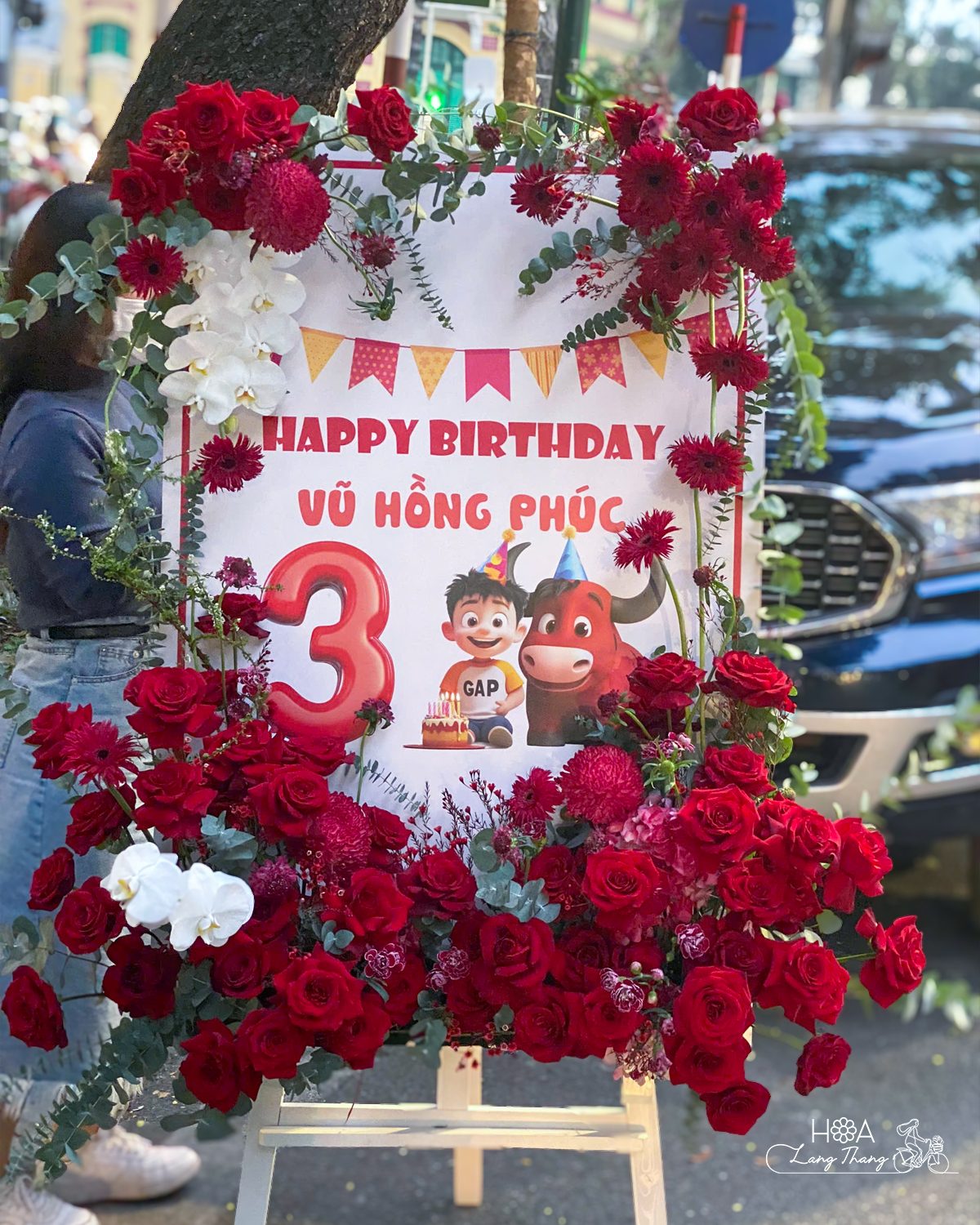
Hanoi wards average 28–32°C year-round due to tropical climate and poor ventilation in older buildings. Roses (especially Ecuador varieties, which we stock) hold 6–7 days; hydrangeas last 8–10 days if stems are cut and water changed daily—but elderly patients often cannot manage this alone, so choose varieties that forgive neglect. Orchids in small potted forms are ideal: they need water only every 5–7 days and symbolize strength in Vietnamese culture. Tulips wilt within 48 hours in heat and should be avoided. Carnations are affordable and hardy but carry a "cheap gift" stigma in Vietnamese etiquette; use them only if the patient specifically loves them. Avoid dahlias (short vase life in heat) and any heavily doubled rose varieties (petals drop within days). Our hospital delivery collection features pre-selected heat-tolerant stems; we also list care instructions with every order. A real-world example: a 500-stem mixed arrangement of imported roses and locally-sourced hydrangeas, placed in a ward on a Monday morning, will still look fresh on Thursday if the patient or a visitor changes water every other day.
What colors and arrangements do Vietnamese hospitals and families expect?
Soft pastels—peach, blush pink, light purple, champagne, ivory—are safest for elderly patients. These colors feel gentle and avoid cultural taboos. Pink and purple suggest recovery and good wishes; peach adds warmth without the romance of red. Never send all-white (funeral association), pure red (romantic love), or black accents (mourning). Yellow is mixed: cheerful in Western tradition, but some elderly Vietnamese associate it with infidelity—ask the family first if unsure. Arrangement size matters: 20–30 cm tall (fits on bedside table), not 50+ cm (blocks light, feels imposing). A narrow vase or low bowl arrangement is safer than tall containers (less spillage risk, easier to handle). If the patient is bedridden, consider a small potted orchid or succulent they can see without turning—it becomes a focus point for the eye during long, quiet hours. Avoid arrangements with exposed floral foam (risk of small pieces falling into water or onto the patient). We photograph every arrangement before delivery so you can approve the color balance and size—this matters especially for elderly recipients, where a mismatch between expectation and reality can disappoint.
How much does a safe hospital bouquet cost, and what's included in delivery?
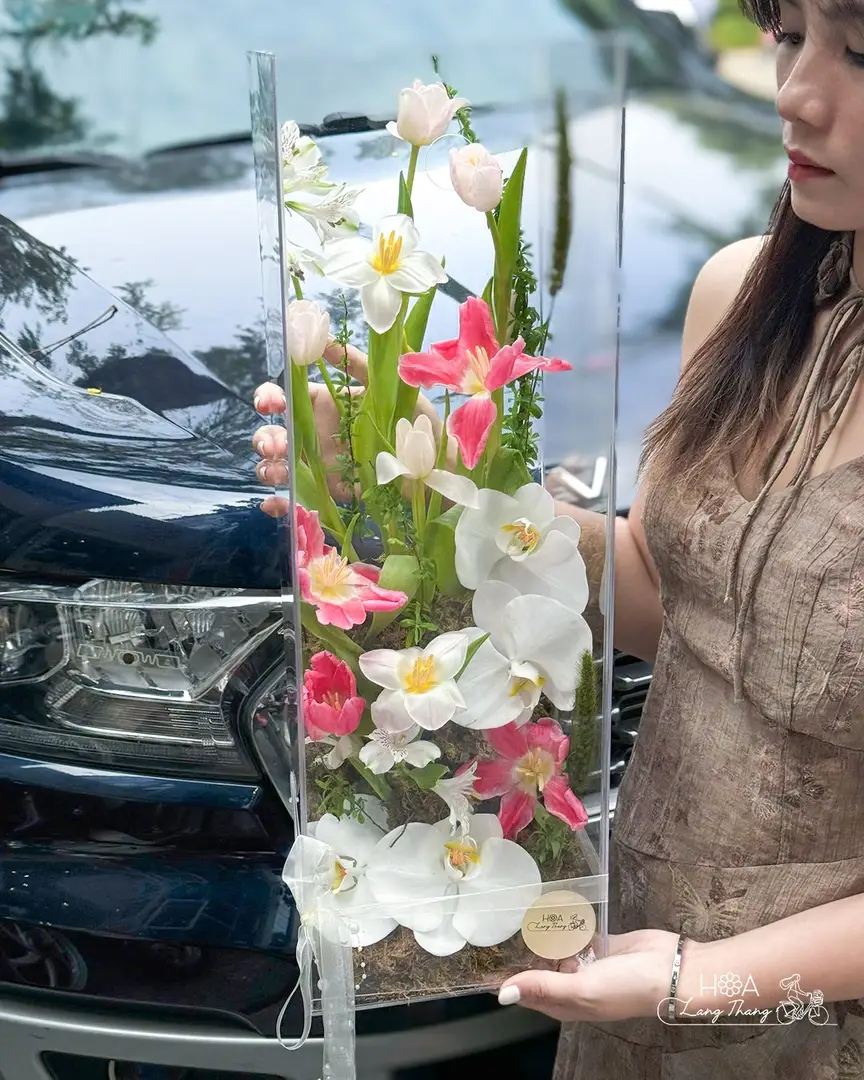
Pricing depends on stem count, imported varieties, and seasonal availability—check our current price list for exact figures. A modest arrangement (15–20 stems of Ecuador roses and local greenery) is more affordable; a premium mixed bouquet with imported hydrangeas and orchid accents costs more. All Hoa Lang Thang orders include: a photo of the finished arrangement sent to you before delivery (you approve or request changes), delivery to the hospital ward within ~2 hours in Hanoi or same-day in Ho Chi Minh City, a handwritten card message in Vietnamese, English, Japanese, or Korean, and detailed care instructions printed and tucked into the bouquet. We coordinate with hospital reception to find the correct ward and visiting hours—deliveries before 7:00 a.m. or after 8:00 p.m. are typically rejected, so we schedule for 7:00–9:00 a.m. or 5:00–7:00 p.m. If the patient has been discharged by the time we arrive, we notify you immediately and discuss re-delivery or a refund. Hidden costs: if you order from abroad, we accept international payment via PayPal or bank transfer; add 2–3 USD for international processing. No hidden florist fees—what you see is what you pay.
💐 Order on WhatsApp +84 969 293 894
What mistakes do people make when sending hospital flowers to elderly patients in Vietnam?
The most common error is choosing flowers based on what you like, not what hospitals allow. Red roses are beautiful but wrong for an elderly hospital patient; imported white lilies look luxurious but will trigger respiratory distress in a shared ward. Sending an oversized arrangement says "I didn't check the visiting rules"—it gets rejected, the patient feels humiliated, and you've wasted money. Another mistake: ordering a bouquet without a photo approval first. We have seen customers receive vases with mismatched colors, damaged stems, or arrangements too tall for a bedside table. That is why we photograph before delivery—you see exactly what will arrive and can request adjustments (different shade of pink, remove the taller stems, swap out a wilted leaf). A third error is not considering the patient's actual mobility. If they are bedridden, a vase that requires daily water changes is a burden on nurses and visitors. Orchids in a small pot, or a compact arrangement in a sealed floral-foam vase (low-water design), is kinder. Finally, do not assume "same-day delivery" means you can order at 6:00 p.m. and expect it at the ward by 7:00 p.m. Our inner-Hanoi delivery window closes at 7:00 p.m.; Ho Chi Minh City orders must arrive by 6:00 p.m. Hospital reception hours also matter—many wards stop accepting deliveries at 8:00 p.m. or do not open until 7:00 a.m. Plan 24 hours ahead for reliability.
Comparison: Bouquet Types for Elderly Hospital Patients
| Bouquet Type | Best for… | Vase Life in Ward Heat | Why It Works | What to Check |
|---|---|---|---|---|
| Compact roses & hydrangea mix | Visitors want a classic gift, patient has daily care | 6–8 days | Heat-hardy, soft colors, fits tables | Confirm patient doesn't have pollen allergies |
| Orchid in small pot | Bedridden patient, minimal care needed | 10–14 days | Needs water every 5–7 days, long-lasting, symbolic strength | Pot must be under 15 cm tall, unbreakable ceramic |
| Carnation & greenery (pastel) | Budget-conscious gift, patient loves bold color | 5–7 days | Affordable, very hardy, cheerful | Avoid if family deems "cheap"; use only with permission |
| Single-stem or 3-stem premium rose | Patient has hour-by-hour visitors, ward is small | 5–6 days | Elegant, fits in drinking glass, no vase needed | Ensure no thorns remain; patient can hold it safely |
| Protea, thistle & dried leaf mix | Patient's personality is bold, wards allows texture | 14–21 days | Extremely hardy, unique, requires no water change | May not fit Vietnamese aesthetic; ask family first |
What to check before you buy: a practical checklist
- Ward contact: Ring the hospital and ask the ward nurse: "Do you accept fresh flowers? Height and container limits? Visiting hours?" Write down the name of the person who answered. Many wards say yes but specify 5–7 p.m. only, or no vases taller than 25 cm. This five-minute call prevents wasted money.
- Patient allergies: Ask the person who arranged your visit: "Does the patient have respiratory issues, pollen allergies, or perfume sensitivity?" If yes, skip lilies, gardenias, and heavily scented blooms. Orchids and roses are safer.
- Color & symbolism: Confirm no all-white or all-red bouquets unless the patient explicitly requested them. Soft pastels (peach, blush, lavender) are always correct.
- Delivery window: Choose a time that aligns with hospital visiting hours—not 10:00 a.m. if the patient has morning tests, not 9:00 p.m. if wards lock reception at 8:00 p.m.
- Photo before delivery: Always request a photo of the finished arrangement before it leaves our studio. You have a chance to say "the pink is too dark" or "can you shorten that stem?" This step is free and takes 2 minutes.
- Card message: Prepare a short, genuine message in Vietnamese or English. Avoid clichés ("get well soon" is obvious); instead, tell them you are thinking of them, or mention something specific you remember about them. Hospital patients see thousands of generic cards—yours will stand out.
- Water & care: When the bouquet arrives, confirm the room has a clean vase with fresh water. If the patient cannot manage daily water changes, ask the ward nurse if they can help, or choose a low-maintenance potted orchid instead.
---
For more guidance on hospital protocols and flower etiquette in Vietnam, see our hospital flower delivery guide and Vietnamese flower etiquette page. If you are sending flowers from abroad, read our guide to sending flowers to Vietnam from overseas.
FAQ
Can I order flowers for a hospital patient in Ho Chi Minh City the same day?
Yes. Orders placed before 6:00 p.m. arrive the same day. We photograph the bouquet and confirm delivery with the ward before it leaves our studio. Call +84 969 293 894 or order via WhatsApp for fastest processing.
Are white flowers forbidden in Vietnamese hospitals?
White arrangements are associated with funerals and should be avoided for elderly patients unless explicitly requested. Soft pink, peach, lavender, or blush tones are culturally appropriate and feel gentler in hospital settings.
How long do imported roses last in a hot Vietnamese ward?
Ecuador roses typically last 6–7 days if water is changed every other day and stems are re-cut. Hydrangeas last 8–10 days. Avoid tulips and heavily doubled varieties; they wilt within 48 hours in 28–32°C heat.
Can the hospital reject my flower delivery?
Yes, if it violates ward rules (height, strong scent, restricted hours). Always call ahead to confirm the ward accepts flowers and what their limits are. We help coordinate timing, but hospital visiting policies are final.
Do you deliver to private hospitals in Hanoi and public wards?
Yes, both. Private hospitals (like French Hospital, Vinmec) and public wards (Bach Mai, Viet Duc) accept our deliveries. Ward reception times vary; we confirm the best delivery window when you order and send a photo before arrival.
What if the patient is discharged before the flowers arrive?
We notify you immediately via WhatsApp and discuss options: re-delivery to a home address, donation to the hospital, or refund. This is rare if you order more than a few hours in advance—hospitals usually keep admission dates stable.
Can I send a bouquet with a message in a language other than Vietnamese?
Yes. We write cards in Vietnamese, English, Japanese, or Korean. Specify the language and your message when ordering. Japanese and Korean cards take a photo before delivery for your approval.
Same-day delivery in Hanoi (order before 19:00). We send a photo of your actual bouquet before it goes out.
Order on WhatsApp +84 969 293 894Frequently asked questions
Can I order flowers for a hospital patient in Ho Chi Minh City the same day?
Yes. Orders placed before 6:00 p.m. arrive the same day. We photograph the bouquet and confirm delivery with the ward before it leaves our studio. Call +84 969 293 894 or order via WhatsApp for fastest processing.
Are white flowers forbidden in Vietnamese hospitals?
White arrangements are associated with funerals and should be avoided for elderly patients unless explicitly requested. Soft pink, peach, lavender, or blush tones are culturally appropriate and feel gentler in hospital settings.
How long do imported roses last in a hot Vietnamese ward?
Ecuador roses typically last 6–7 days if water is changed every other day and stems are re-cut. Hydrangeas last 8–10 days. Avoid tulips and heavily doubled varieties; they wilt within 48 hours in 28–32°C heat.
Can the hospital reject my flower delivery?
Yes, if it violates ward rules (height, strong scent, restricted hours). Always call ahead to confirm the ward accepts flowers and what their limits are. We help coordinate timing, but hospital visiting policies are final.
Do you deliver to private hospitals in Hanoi and public wards?
Yes, both. Private hospitals (like French Hospital, Vinmec) and public wards (Bach Mai, Viet Duc) accept our deliveries. Ward reception times vary; we confirm the best delivery window when you order and send a photo before arrival.
What if the patient is discharged before the flowers arrive?
We notify you immediately via WhatsApp and discuss options: re-delivery to a home address, donation to the hospital, or refund. This is rare if you order more than a few hours in advance—hospitals usually keep admission dates stable.
Can I send a bouquet with a message in a language other than Vietnamese?
Yes. We write cards in Vietnamese, English, Japanese, or Korean. Specify the language and your message when ordering. Japanese and Korean cards take a photo before delivery for your approval.