Flower Delivery Hanoi · Flower guides for Hanoi & Vietnam
Hypoallergenic Flowers for Hospital Rooms: What Actually Works
Hoa Lang Thang florists · Hanoi
Hypoallergenic flowers for hospital rooms are low-pollen or pollen-free blooms—typically roses, gerberas, orchids, and hydrangeas—chosen to prevent respiratory or allergic reactions in patients with weakened immunity or respiratory sensitivity. At Hoa Lang Thang, we recommend removing stamens from roses and double-checking orchid variety before delivery; many patients tolerate imported, bred-for-low-pollen Dutch and Ecuador roses well. Cost depends on stem count and rarity: expect basic hospital-safe bouquets to start modestly, luxury options higher. Avoid lilies, freesias, carnations with heavy pollen, and heavily scented varieties. Always mention allergies or respiratory conditions when ordering; our team will confirm stamen removal and fragrance level before the 2-hour Hanoi delivery. Request a photo of the finished arrangement to verify.
Hospital flower delivery requires a knowledge most florists skip over entirely. The goal is not beauty alone—it is safety. A patient recovering from surgery, chemotherapy, or respiratory illness cannot afford a pollen allergic reaction or overwhelming fragrance in a small room. This guide walks you through which flowers work, why, what prices reflect, and how to place a hospital-safe order in Hanoi.
Which flowers are truly hypoallergenic for hospitals?
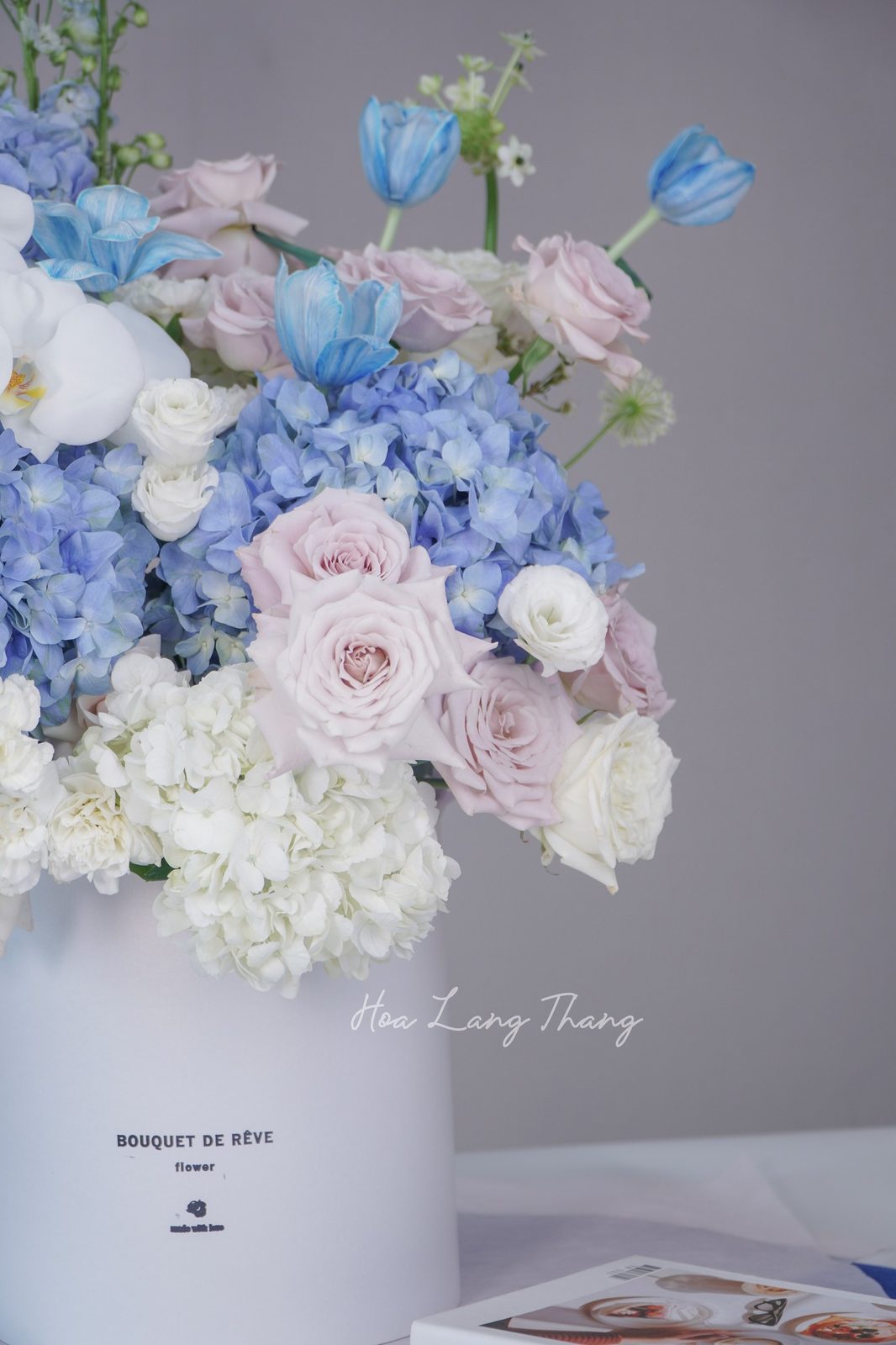
The safest hospital flowers are those with minimal or zero pollen—and fragrance you can control. Roses (especially imported Ecuador and Dutch varieties) rank as the most hypoallergenic option when stamens are removed; breeding has reduced pollen load significantly. Gerberas are large, colorful, and naturally low in pollen. Orchids (Phalaenopsis and Dendrobium types) shed little pollen and often come scentless. Hydrangeas are pollen-light and fragrance-neutral. Tulips, once stem and stamen are cleaned, are hospital-friendly. When ordering from Hoa Lang Thang, specify "hospital safe" and confirm removal of stamens from any rose or lily before delivery.
What makes a flower unsafe for a recovering patient?
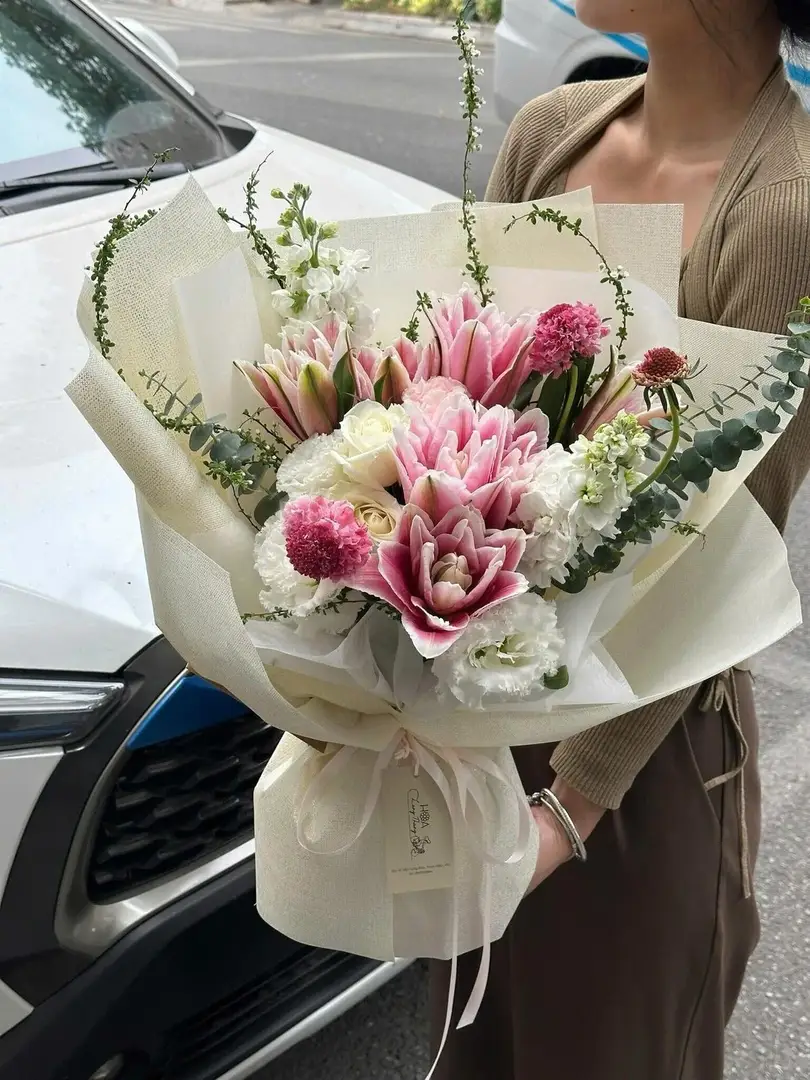
Lilies, though beautiful, carry heavy pollen that coats hands and surfaces—a real risk in sterile hospital settings. Carnations often have intense fragrance that can trigger migraines or nausea in weakened patients. Freesias smell strong and their pollen is visible. Sunflowers are cheerful but pollen-heavy. Hyacinths are powerfully scented. Daffodils and narcissus release pollen quickly in warm rooms. Strong-scented varieties (some garden roses, tuberose) can cause headaches in patients on pain medication or with olfactory sensitivity. Ask the florist to confirm fragrance level before delivery; if unsure, choose scentless varieties like most orchids or gerberas with stamens removed.
How do hospital bouquets differ in price and structure?
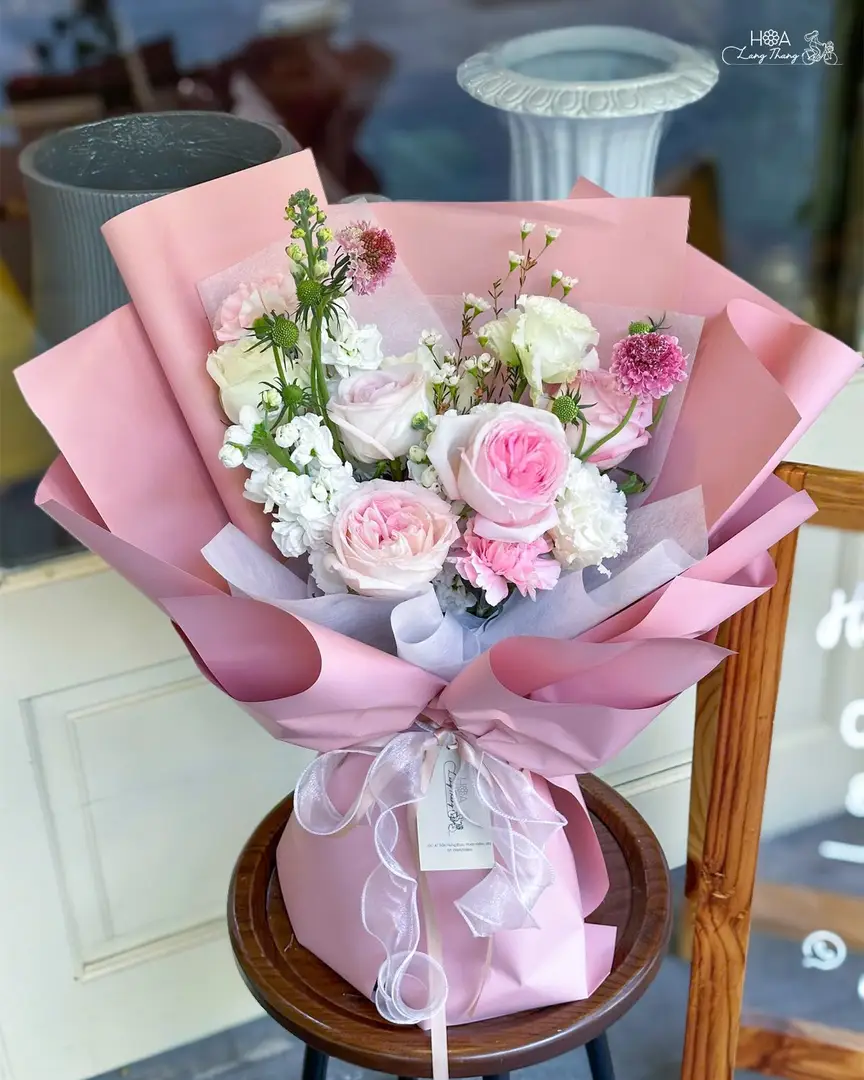
A basic hypoallergenic bouquet at a Hanoi florist typically includes 10–15 stems of low-pollen flowers in a vase or wrapped arrangement. Imported Ecuador roses and Dutch tulips cost more than local varieties, but their lower pollen load justifies the expense for hospitals. Luxury options (20+ stems, premium imported varieties, rare orchids) command higher prices. Many patients prefer smaller arrangements—6–8 stems—because they fit bedside tables and feel less overwhelming. At Hoa Lang Thang, we photograph every bouquet before delivery so you can verify size and allergen-free preparation. Request a breakdown: stem count, variety, stamen removal confirmation, and fragrance-neutral packaging.
💐 Order on WhatsApp +84 969 293 894
Can you compare hospital-safe flowers side by side?
| Flower Type | Pollen Risk | Fragrance | Best For | Durability | Stamen Removal Needed? |
|---|---|---|---|---|---|
| Ecuador/Dutch Rose (imported) | Very Low | Mild–None | Classic, safe choice | 7–10 days | Yes, recommended |
| Orchid (Phalaenopsis) | Minimal | Scentless | Long-term patients | 14+ days | No |
| Gerbera | Low | Mild | Colorful, uplifting | 7–8 days | No |
| Hydrangea | Very Low | None | Soft, pastel look | 5–7 days | No |
| Tulip (Dutch) | Low | Mild | Seasonal option | 5–7 days | Yes, after opening |
| Lily | Very High | Very Strong | Avoid hospitals | — | — |
| Carnation | Low | Strong | Avoid if sensitive | 7+ days | — |
This table reflects our experience with imported and local varieties in Hanoi's warm, humid climate. Imported blooms from Ecuador and the Netherlands tolerate heat better than local stems, an advantage in hospital rooms where air conditioning is not always reliable.
How do you order and verify safety before delivery?
Step 1: Call or message Hoa Lang Thang via WhatsApp with the patient's name, hospital name, room number, and any allergies or respiratory conditions.
Step 2: State "hypoallergenic" and ask for a specific variety list (e.g., "10 Ecuador roses, 5 white orchids, 5 hydrangea stems, all stamens removed").
Step 3: Confirm fragrance neutrality. Say: "No strongly scented varieties—patient is chemotherapy/respiratory sensitive."
Step 4: Request a photo of the finished bouquet 30 minutes before delivery. Verify stamen removal on roses and overall size.
Step 5: Provide clear delivery instructions: exact hospital, building, floor, room number. Many Hanoi hospitals have strict flower delivery policies; ask if your hospital accepts flowers at all (some ICU or infectious disease wards do not).
Step 6: Deliver within our 2-hour Hanoi window if you order before 19:00. Same-day delivery is available; confirm timing here.
What to check before you buy: a hospital-specific checklist.
- Confirm the hospital accepts flowers. Some wards (ICU, oncology, infection control) restrict them.
- Ask the patient's nurse about allergies. You may know "the patient has hay fever," but the nurse knows current sensitivity levels.
- Verify stamen removal in writing. A florist's verbal promise is not enough; request a photo showing clean stamens.
- Choose imported over local if budget allows. Ecuador and Dutch roses are bred for low pollen and last longer in Hanoi heat.
- Avoid fragrance. Even mild scent can trigger nausea or headaches post-surgery.
- Order compact arrangements. A patient's bedside table is cramped; 8–10 stems in a small vase works better than 20.
- Get a photo before delivery. Non-negotiable. You will see exactly what the patient receives.
- Include a simple, encouraging card. Avoid heavily perfumed notecards (yes, some exist).
When sending flowers to a hospital in Hanoi, safety and simplicity outrank color and size. A small, allergen-free bouquet of imported roses and orchids speaks louder than a large arrangement that triggers a reaction. Hoa Lang Thang ships hospital flowers throughout Hanoi and Ho Chi Minh City with stamen removal and photo verification standard. If the patient is being treated abroad and you want to send something from Hanoi, we also handle international orders with custom cards in Vietnamese, English, Japanese, and Korean.
For other occasions—birthdays, anniversaries, proposals—visit our main catalog or explore luxury options. Hospital delivery is one of our most careful services; we do not rush it.
---
FAQ
Can I send roses to a hospital if I remove all the stamens myself?
No. Florist-grade stamen removal requires tools and technique that damage the bloom if done wrong. We do this before delivery and photograph it. Never attempt it on imported roses—the damage is visible and unprofessional. Order here and let us handle it.
Are orchids truly scentless, or is that marketing?
Most Phalaenopsis and Dendrobium orchids sold in Hanoi have little to no fragrance—it is breeding-based fact, not marketing. Some rare varieties smell faintly sweet. Always ask the florist to confirm fragrance level for your specific order, not assume.
If a patient is in an ICU, will the hospital even allow flowers?
Most ICUs and isolation wards in Hanoi hospitals restrict flowers due to infection control. Call the hospital directly before ordering. If flowers are banned, consider a sympathy or encouragement note sent instead, or fruit/snacks if the patient can eat.
What is the difference between "low-pollen" and "hypoallergenic"?
Low-pollen means the flower sheds less pollen than standard varieties. Hypoallergenic means it is bred or treated to minimize or eliminate common allergens. All flowers technically carry some pollen unless genetically modified (rare). "Hospital-safe" is the clearest term for our purposes.
How long will a hypoallergenic bouquet last in a hospital room?
Imported Ecuador and Dutch roses last 7–10 days with daily water changes. Orchids last 14+ days. Gerberas and hydrangeas last 5–8 days. Hospital rooms are often warm; place the vase away from direct sunlight and heaters. Change water every 2–3 days and remove any dropped petals immediately.
Can I include a scented candle or perfume card with the bouquet?
No. A recovering patient cannot tolerate added fragrance. A simple, unscented card is safest. Avoid lined notecards or envelopes with artificial scent. Plain cardstock with handwritten or printed text works best.
Same-day delivery in Hanoi (order before 19:00). We send a photo of your actual bouquet before it goes out.
Order on WhatsApp +84 969 293 894Frequently asked questions
Can I send roses to a hospital if I remove all the stamens myself?
No. Florist-grade stamen removal requires tools and technique that damage the bloom if done wrong. We do this before delivery and photograph it. Never attempt it on imported roses—the damage is visible and unprofessional. [Order here](/en/hospital-flower-delivery-hanoi) and let us handle it.
Are orchids truly scentless, or is that marketing?
Most Phalaenopsis and Dendrobium orchids sold in Hanoi have little to no fragrance—it is breeding-based fact, not marketing. Some rare varieties smell faintly sweet. Always ask the florist to confirm fragrance level for your specific order, not assume.
If a patient is in an ICU, will the hospital even allow flowers?
Most ICUs and isolation wards in Hanoi hospitals restrict flowers due to infection control. Call the hospital directly before ordering. If flowers are banned, consider a [sympathy or encouragement note](/en/sympathy-flowers-hanoi) sent instead, or fruit/snacks if the patient can eat.
What is the difference between "low-pollen" and "hypoallergenic"?
Low-pollen means the flower sheds less pollen than standard varieties. Hypoallergenic means it is bred or treated to minimize or eliminate common allergens. All flowers technically carry some pollen unless genetically modified (rare). "Hospital-safe" is the clearest term for our purposes.
How long will a hypoallergenic bouquet last in a hospital room?
Imported Ecuador and Dutch roses last 7–10 days with daily water changes. Orchids last 14+ days. Gerberas and hydrangeas last 5–8 days. Hospital rooms are often warm; place the vase away from direct sunlight and heaters. Change water every 2–3 days and remove any dropped petals immediately.
Can I include a scented candle or perfume card with the bouquet?
No. A recovering patient cannot tolerate added fragrance. A simple, unscented card is safest. Avoid lined notecards or envelopes with artificial scent. Plain cardstock with handwritten or printed text works best.