Flower Delivery Hanoi · Flower guides for Hanoi & Vietnam
Kumquat Tree Meaning in Vietnamese Culture & Tet
Hoa Lang Thang florists · Hanoi
In Vietnamese culture, the kumquat tree (cây quất) is far more than a decorative plant—it is a living wish for prosperity and renewal, deeply woven into Tet celebrations and corporate etiquette. Whether you're a Vietnamese family reconnecting with tradition or an expat learning to honor local customs, understanding what the kumquat symbolizes shapes how you gift, display, and care for it. This guide walks through the cultural meaning, proper gifting practices, and practical decisions for sourcing a kumquat tree in Hanoi and Ho Chi Minh City during Tet season.
Why do Vietnamese people give kumquat trees during Tet?
The kumquat tree is the quintessential Tet plant because its symbolism aligns perfectly with New Year renewal. The golden-yellow fruits represent money and wealth; the sturdy, leafy branches symbolize health and longevity; the act of tending it mirrors nurturing fortune throughout the year. Vietnamese families traditionally place kumquat trees in living rooms, entryways, or office lobbies as visual anchors for prosperity wishes. The practice dates back centuries, rooted in Confucian and folk beliefs that plants with auspicious colors and forms draw positive energy into homes and workplaces. During Tet (late January–early February, marked by the lunar calendar), kumquat trees in full fruit are in peak demand and become household focal points or corporate gifts. Unlike cut flowers—which fade—a living tree serves as a month-long or seasonal reminder of the giver's thoughtfulness and the receiver's good fortune.
💐 Order on WhatsApp +84 969 293 894
What is the difference between kumquat trees and other Tet plants?
Kumquat trees hold unique status compared to other popular Tet plants like peach blossoms (hoa đào), apricot blossoms (hoa mai), or chrysanthemums. Peach and apricot blossoms bloom only briefly (2–3 weeks) and are cut flowers; kumquat trees fruit year-round in mild climates and last months indoors or on shelves. Chrysanthemums are affordable cut arrangements but lack the "living luck" symbolism of an ongoing plant. Orchids and camellias suggest elegance but are less tied to prosperity folklore than kumquats. See the comparison table below for gifting contexts:
| Plant Type | Symbolism | Lifespan | Gift Context | Display Spot |
|---|---|---|---|---|
| Kumquat tree | Wealth, longevity | 2–4 months+ (indoors) | Home, office, business partners | Entryway, living room, desk |
| Peach/apricot blossoms (cut) | Luck, renewal | 2–3 weeks | Family, close friends | Altar, coffee table |
| Chrysanthemums (cut bouquet) | Joy, gratitude | 1–2 weeks | Colleagues, acquaintances | Office, conference room |
| Orchids (potted plant) | Beauty, refinement | 2–3 months+ | Upscale partners, executives | Office, bookshelf |
| Camellias (cut stems) | Love, admiration | 1–2 weeks | Partners, family | Bedroom, altar |
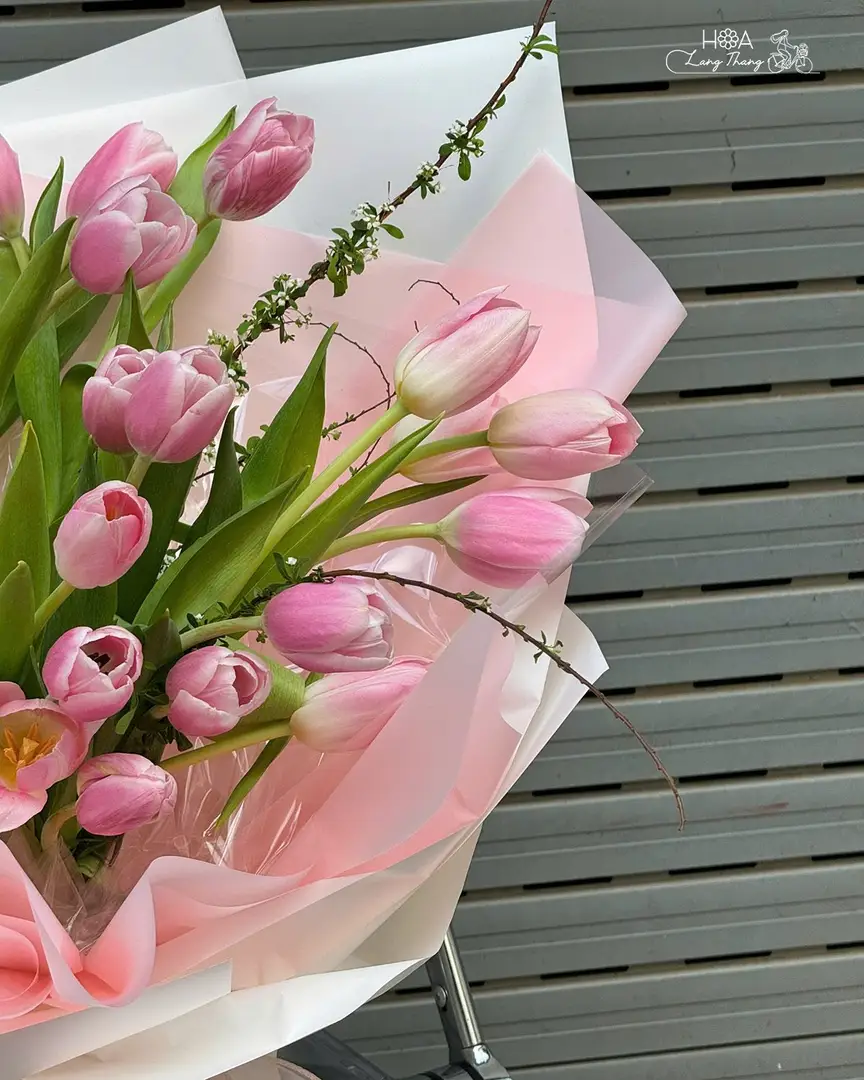
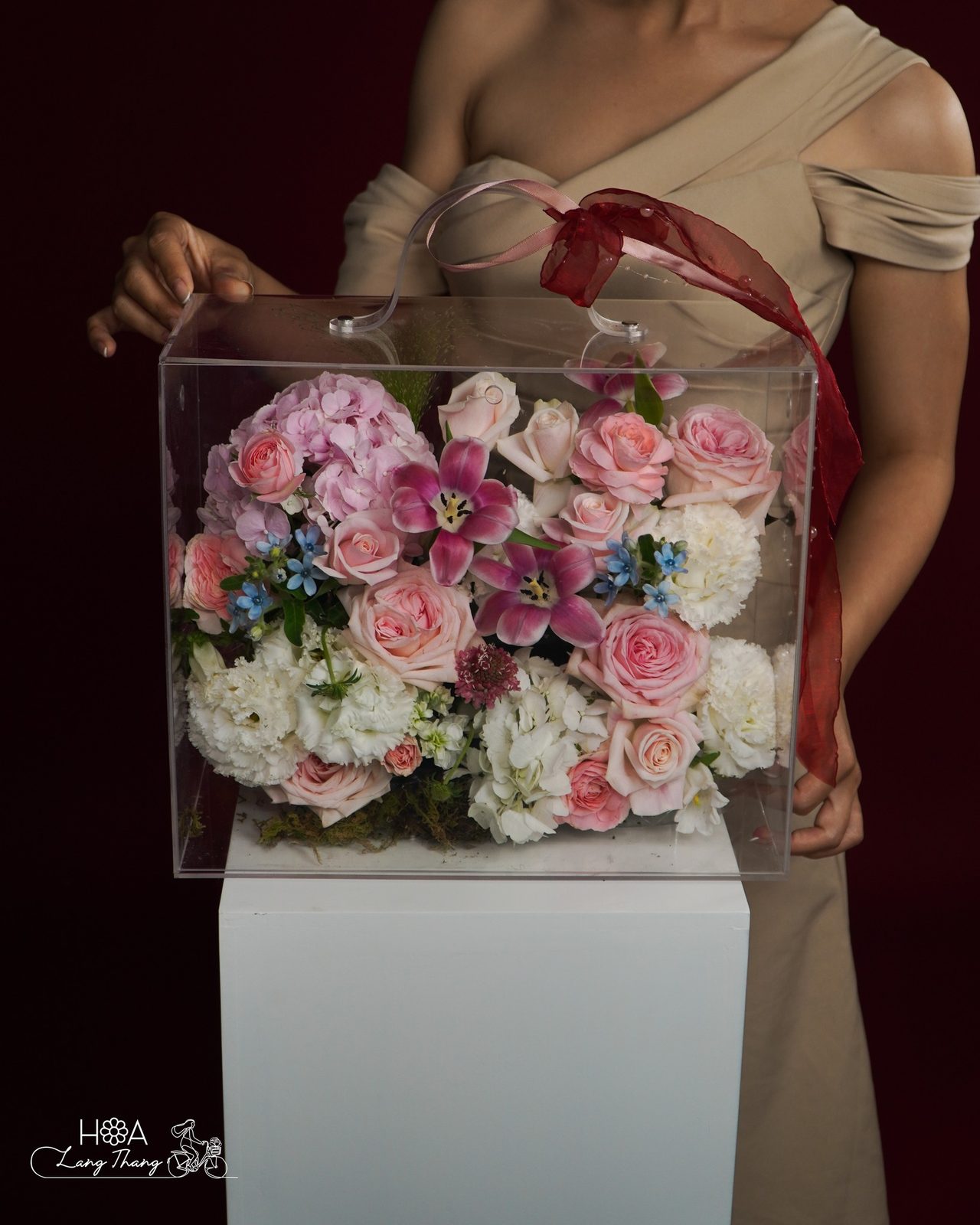
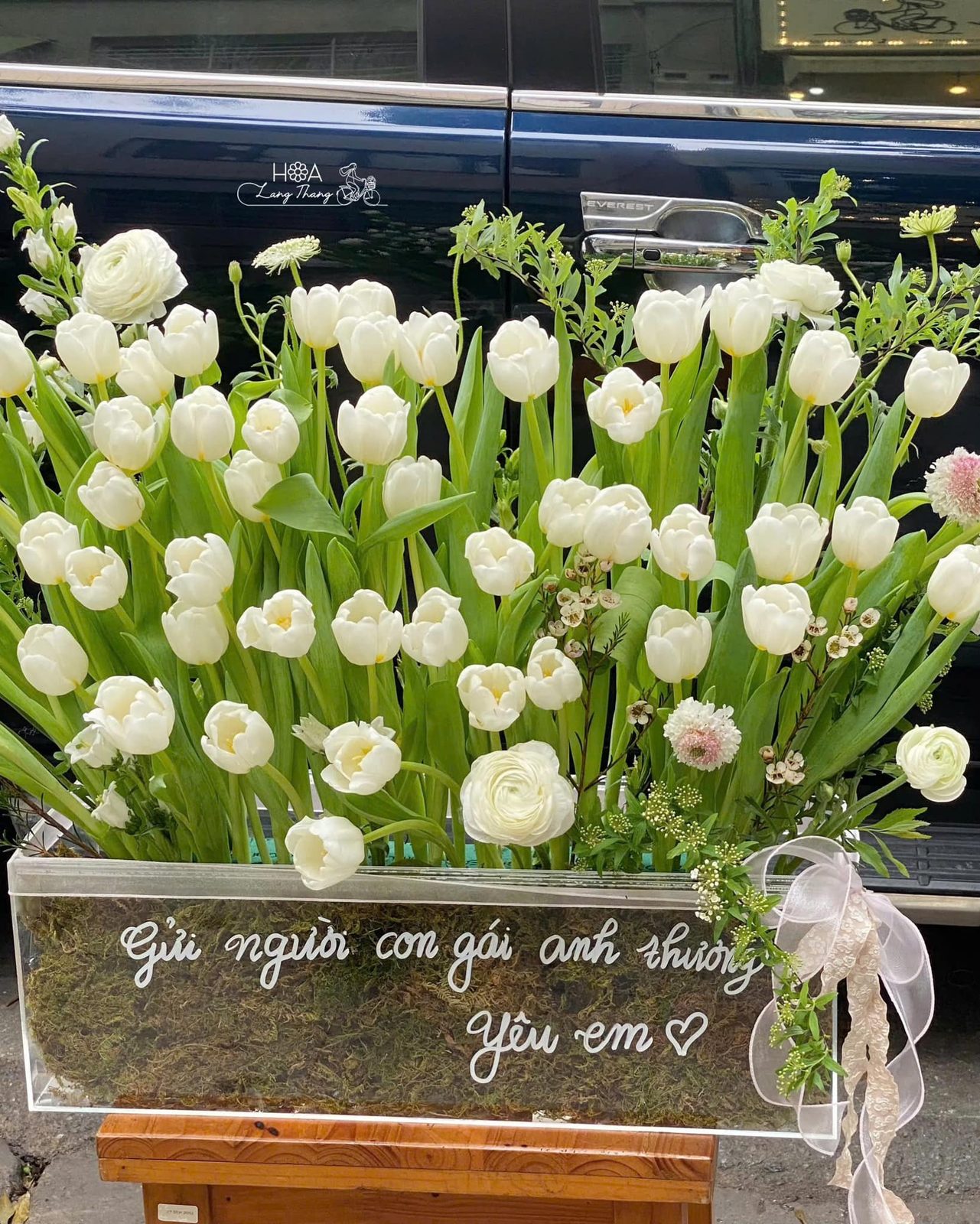
A kumquat tree is ideal if you want your gift to remain in the recipient's space and symbolize ongoing fortune. At Hoa Lang Thang, we arrange kumquat trees with complementary fresh flowers—premium Ecuador roses, Dutch tulips, or orchids—to blend traditional symbolism with modern aesthetics. This hybrid approach appeals to Vietnamese expat families, international offices in Hanoi, and business partners unfamiliar with pure plant gifting.
What does gifting a kumquat tree say in Vietnamese etiquette?
Presenting a kumquat tree is a formal, respectful gesture that communicates: "I wish you and your family/business prosperity and good health in the new year." The formality depends on context. For family or close friends, it is a warm, personal blessing. For business partners, landlords, or senior colleagues, it signals respect and long-term relationship value. In Vietnamese corporate culture, gifting a kumquat tree (or a tree paired with flowers) to an office boss or business partner during Tet is nearly equivalent to a "we value your success" statement. It also suggests the giver understands Vietnamese tradition—a subtle but powerful sign of cultural respect. Conversely, not offering a plant or flower arrangement to a Vietnamese colleague during Tet may read as oversight or indifference. For overseas customers sending flowers to Hanoi from abroad, a kumquat tree with a handwritten card message in Vietnamese adds authenticity and emotional weight. Hoa Lang Thang provides bilingual card messages (Vietnamese, English, Japanese, Korean) and shares a photo of the finished arrangement before delivery, ensuring your cultural gesture lands as intended.
What should you check before ordering a kumquat tree for Tet?
Before committing to a kumquat tree order, verify five key details to avoid disappointment or cultural missteps:
- Tree size and fruit count: Request specifics (height in cm, number of visible fruits). A well-fruited tree signals prosperity; a sparse or small tree may disappoint. Ask your florist for photos before purchase.
- Pot and drainage: Ensure the tree comes in a ceramic or sturdy plastic pot with drainage holes. Vietnamese tradition warns against "money flowing out"; poor drainage symbolizes wasted fortune. Inspect the soil before accepting delivery.
- Leaf condition: Yellowing, spotted, or wilted leaves suggest disease or stress and are unlucky. A healthy kumquat tree has glossy, dark-green foliage. Ask the florist to guarantee leaf quality in writing.
- Delivery timing: Order kumquat trees 3–7 days before Tet (not on Tet Eve, when logistics jam). Same-day delivery in Hanoi works if you order by 19:00, but for trees, 1–2 days notice ensures careful handling.
- Growing zone compatibility: Kumquat trees prefer warm, humid climates (18–25°C). If gifting to someone in a cold Hanoi apartment without indoor heating, clarify expectations; the tree may drop fruit or slow growth in winter. Ho Chi Minh City recipients face no such concern, as climate remains tropical year-round.
Hoa Lang Thang team inspects each tree's foliage, pot integrity, and fruit before packing. We photograph the completed arrangement and share it via WhatsApp (+84 969 293 894) before your hotel or office delivery—a transparency step many Hanoi florists skip.
Who should receive a kumquat tree, and who should not?
Kumquat trees are ideal for:
- Vietnamese families celebrating Tet at home
- Business owners and office managers welcoming fortune
- Long-term partners or mentors you wish to honor
- Corporate offices in Hanoi or Ho Chi Minh City seeking auspicious décor
- Vietnamese expat families overseas (shipped as a Tet package with care instructions)
Do not give a kumquat tree if:
- The recipient lives in a climate with no heating or sunlight (e.g., a basement office in winter)
- You are unsure of their religious or cultural stance (some faiths discourage symbolic plant gifting)
- The recipient has explicitly mentioned plant allergies or dislike of potted plants
- You are giving to a Vietnamese colleague you do not know well; a cut flower bouquet or luxury arrangement is safer for acquaintances
For ambiguous relationships, roses or chrysanthemums in a vase (temporary, no care required) work as backup options. At Hoa Lang Thang, we advise customers: if unsure, ask discreetly whether the recipient has space and interest in a living plant. We can then pivot to a premium cut-flower arrangement delivered same-day in Hanoi or arranged for Ho Chi Minh City as an alternative.
---
What to check before you buy
- Photo verification: Request a photo of the exact tree before it leaves the florist's studio. Do not accept a generic stock image.
- Delivery address: Confirm the tree fits through doors and hallways. Some Hanoi apartments have narrow corridors; a large potted tree may cause logistics delays.
- Care sheet: Ask for written care instructions in Vietnamese or English (water frequency, light, humidity for post-Tet months).
- Return or replacement guarantee: Reputable florists (like Hoa Lang Thang) offer a 24–48-hour replacement if the tree arrives damaged.
---
Related reading & resources
For deeper context on Vietnamese flower traditions beyond kumquat trees, see Vietnamese Flower Etiquette. To explore flower options for other occasions year-round, check Birthday Flowers in Hanoi, Anniversary Flowers, and Wedding Flowers.
FAQ
Can I send a kumquat tree to Vietnam from abroad?
Yes. Hoa Lang Thang coordinates international orders with photo confirmation before delivery. Shipping potted plants risks damage; we recommend sending your order 5–7 days before Tet to allow handling time. Overseas customers pay an international coordination fee on top of standard flower prices.
What does it mean if I receive a kumquat tree with odd-numbered fruits?
Odd numbers (1, 3, 5) are traditionally avoided in Vietnamese gifting because they symbolize incompleteness or sadness. A well-chosen kumquat tree should have an even number of visible fruits (4, 6, 8, 10). If a gift arrives with an odd count, it is likely unintentional rather than a deliberate slight, but the giver may apologize if they are culturally aware.
How long does a kumquat tree stay fruited indoors after Tet?
Indoors, a well-watered kumquat tree typically keeps fruit for 4–8 weeks after Tet, depending on light, humidity, and temperature. Fruit drops faster in dry indoor environments (offices with AC) or low-light corners. Placing the tree near a window and misting leaves weekly extends fruiting season.
Is there a difference between kumquat trees sold in Hanoi versus Ho Chi Minh City?
Yes. Hanoi nurseries often stock smaller trees (40–60 cm) suited to apartment living; Ho Chi Minh City suppliers carry larger, more heavily fruited specimens because climate supports year-round growth. Both Hanoi and Ho Chi Minh City flower delivery services at Hoa Lang Thang source locally to ensure freshness and reduce shipping stress on plants.
Can I pair a kumquat tree with cut flowers in a single Tet gift?
Absolutely. This is our signature approach at Hoa Lang Thang: a potted kumquat tree stands as the centerpiece, accompanied by a vase of premium roses, tulips, or orchids. This hybrid combines long-term symbolism (the tree) with immediate visual impact (fresh blooms). It works especially well for corporate offices or partners who appreciate both tradition and modernity.
What if the recipient's home is very cold or dark—will the kumquat tree survive?
Kumquat trees need moderate light (4–6 hours daily) and warmth (above 13°C). In a cold, dark Hanoi apartment or office, the tree will survive but may drop leaves or fruit prematurely. Before ordering, confirm the recipient has a well-lit, heated space. If not, recommend a chrysanthemum bouquet or tropical orchid arrangement instead—hardier options for challenging environments.
Same-day delivery in Hanoi (order before 19:00). We send a photo of your actual bouquet before it goes out.
Order on WhatsApp +84 969 293 894Frequently asked questions
Can I send a kumquat tree to Vietnam from abroad?
Yes. [Hoa Lang Thang coordinates international orders](/en/send-flowers-to-vietnam-from-abroad) with photo confirmation before delivery. Shipping potted plants risks damage; we recommend sending your order 5–7 days before Tet to allow handling time. Overseas customers pay an international coordination fee on top of standard [flower prices](/en/flower-prices-hanoi).
What does it mean if I receive a kumquat tree with odd-numbered fruits?
Odd numbers (1, 3, 5) are traditionally avoided in Vietnamese gifting because they symbolize incompleteness or sadness. A well-chosen kumquat tree should have an even number of visible fruits (4, 6, 8, 10). If a gift arrives with an odd count, it is likely unintentional rather than a deliberate slight, but the giver may apologize if they are culturally aware.
How long does a kumquat tree stay fruited indoors after Tet?
Indoors, a well-watered kumquat tree typically keeps fruit for 4–8 weeks after Tet, depending on light, humidity, and temperature. Fruit drops faster in dry indoor environments (offices with AC) or low-light corners. Placing the tree near a window and misting leaves weekly extends fruiting season.
Is there a difference between kumquat trees sold in Hanoi versus Ho Chi Minh City?
Yes. Hanoi nurseries often stock smaller trees (40–60 cm) suited to apartment living; Ho Chi Minh City suppliers carry larger, more heavily fruited specimens because climate supports year-round growth. Both Hanoi and [Ho Chi Minh City flower delivery](/en/flower-delivery-ho-chi-minh-city) services at Hoa Lang Thang source locally to ensure freshness and reduce shipping stress on plants.
Can I pair a kumquat tree with cut flowers in a single Tet gift?
Absolutely. This is our signature approach at Hoa Lang Thang: a potted kumquat tree stands as the centerpiece, accompanied by a vase of premium roses, tulips, or orchids. This hybrid combines long-term symbolism (the tree) with immediate visual impact (fresh blooms). It works especially well for corporate offices or partners who appreciate both tradition and modernity.
What if the recipient's home is very cold or dark—will the kumquat tree survive?
Kumquat trees need moderate light (4–6 hours daily) and warmth (above 13°C). In a cold, dark Hanoi apartment or office, the tree will survive but may drop leaves or fruit prematurely. Before ordering, confirm the recipient has a well-lit, heated space. If not, recommend a [chrysanthemum bouquet](/en/birthday-flowers-hanoi) or [tropical orchid arrangement](/en/luxury-flower-shop-hanoi) instead—hardier options for challenging environments.