Flower Delivery Hanoi · Flower guides for Hanoi & Vietnam
Keeping Flowers Away from Fruit: Storage, Ripening & Freshness
Hoa Lang Thang florists · Hanoi
Ripe fruit—especially bananas, apples, avocados—releases ethylene gas, which accelerates wilting in cut flowers like roses, tulips, and hydrangeas. Keep bouquets in a separate cool room, change water daily, and remove lower leaves. At Hoa Lang Thang, we include care cards with every delivery to help you maximize bloom life in Hanoi's warm climate.
💐 Order on WhatsApp +84 969 293 894 | 🌹 See bouquets & prices | 🚚 Same-day delivery in Hanoi
Why Does Fruit Damage Cut Flowers So Quickly?
Ripening fruit produces ethylene gas—a plant hormone that triggers the aging process in flowers. A single ripe banana in a closed fruit bowl can wilt a nearby bouquet within 24 hours. The warmer the environment, the faster ethylene spreads. Hanoi's heat (often 28–35°C year-round) accelerates this decay, so storage distance matters more here than in cooler climates. Ethylene also shortens stem flexibility, causing petals to brown and drop earlier than expected.
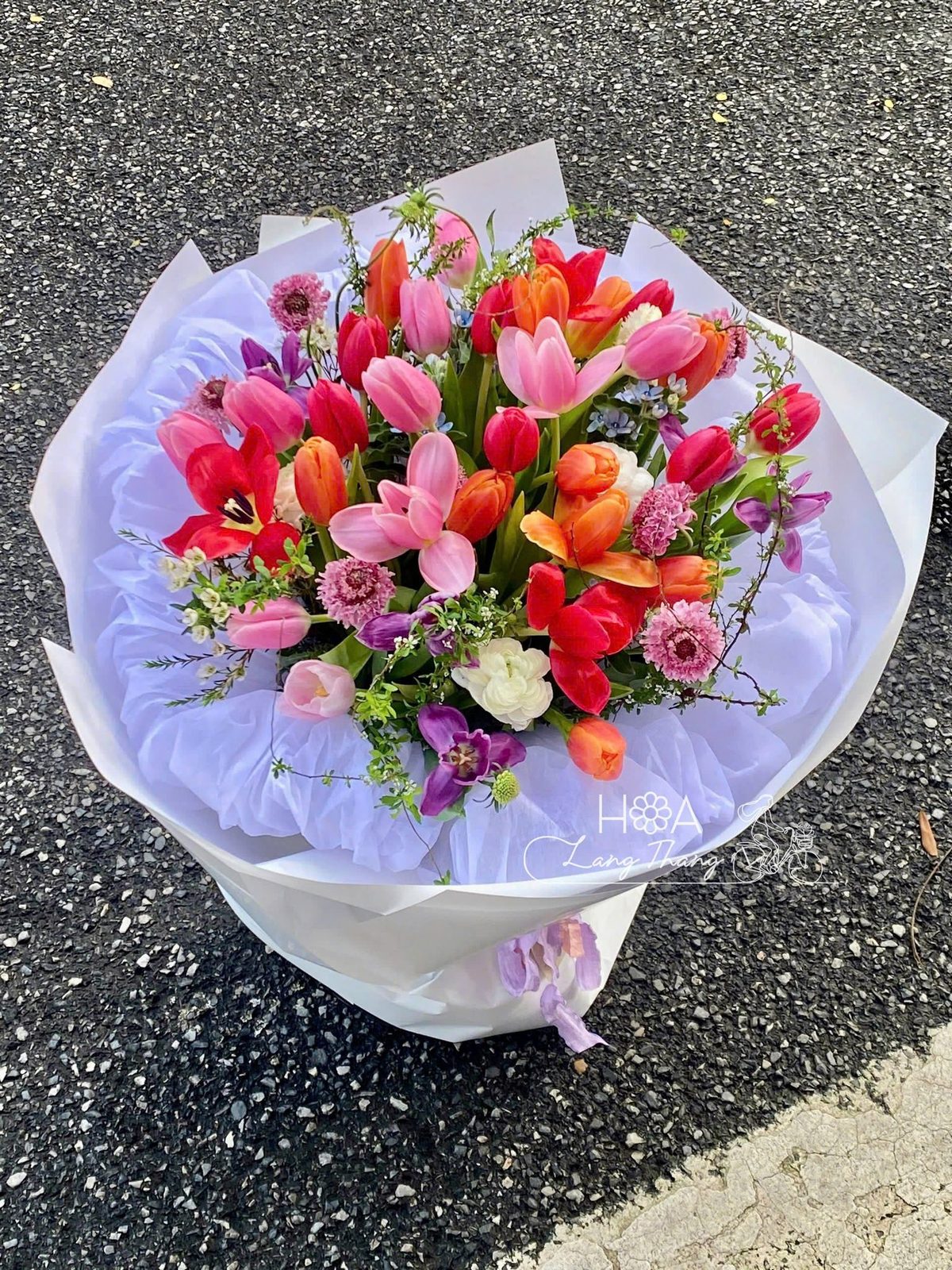
Which Fruits Are the Biggest Threat to Bouquets?
Not all fruit produces ethylene equally. Bananas, avocados, apples, and stone fruits (peaches, plums) are prolific ethylene producers—especially when ripe. Citrus (lemons, oranges), berries (strawberries, blueberries), and grapes produce less. If you've ordered a luxury bouquet of imported roses from Ecuador, store it far from your fruit bowl. Melons and tomatoes also release ethylene; treat them the same way. A single overripe banana sitting on a kitchen counter can damage flowers across the entire room within hours.
Ethylene Risk Comparison:
| Fruit | Ethylene Level | Risk to Flowers | Storage Action |
|---|---|---|---|
| Banana (ripe) | Very high | Severe (wilts in <24h) | Separate room, sealed container |
| Apple | High | Moderate–severe (2–3 days) | Keep in fridge, away from bouquet |
| Avocado | High | Moderate–severe | Refrigerate immediately |
| Stone fruits | High | Moderate | Keep cool, distance bouquet |
| Citrus | Low | Minimal | Safe nearby; ventilate room |
| Berries | Low | Minimal | Minimal risk |
If you're sending flowers to a friend or celebrating a birthday in Hanoi, include a note about storage. Many overseas customers sending flowers from abroad to Hanoi don't realize fruit is already in the recipient's kitchen.
Where Should You Store a Bouquet to Protect It from Ethylene?
The safest storage: a separate, cool room away from the kitchen and fruit bowl. Ideal conditions are 15–18°C (if you have air conditioning), low light, and 50–60% humidity. In Hanoi, most homes lack separate cool zones, so place flowers in the coolest corner of your bedroom or living room, never in direct sunlight. A sealed refrigerator works if the bouquet fits and is kept away from fruit shelves. Change water every 2 days and trim stems at a 45-degree angle underwater—this reduces air pockets that allow bacteria and ethylene to spread up the stem.
Avoid open-air fruit bowls and counters where ripening produces visible humidity. If someone gives you a proposal bouquet or anniversary flowers and your kitchen is warm, place a vase in a bathroom (cool, humid, often darker). Never store flowers next to a windowsill in full sun; heat + ethylene = brown petals within a day. When ordering same-day delivery, arrange to pick up or be home at a specific time so flowers don't sit in a warm lobby or delivery box.
How to Choose Flowers That Resist Ethylene Damage
Some cut flowers tolerate ethylene better than others. Roses (especially long-stem imported varieties), orchids, and carnations are moderately resistant. Tulips, peonies, hydrangeas, and calla lilies wilt faster when exposed. If you live in a fruit-heavy household and fruit proximity is unavoidable, request roses or orchid arrangements over delicate alternatives. Dutch tulips and Ecuador roses both arrive with pre-treatment solutions (biocides, floral nutrients) that slow ethylene uptake—but storage distance is still the primary defense.
For Valentine's Day, anniversary, or wedding arrangements, specify robust flowers. Luxury florists in Hanoi (including Tây Hồ and Hoàn Kiếm neighborhoods) often recommend hardy mixes: roses + hypericum berries + eucalyptus, rather than tulips + hydrangeas + lisianthus. Berries and foliage are almost immune to ethylene and add visual depth for weeks.
💐 Order on WhatsApp +84 969 293 894
Storage Checklist: Before You Buy or Receive Flowers
Use this quick checklist when ordering or receiving a bouquet:
- Assess your kitchen setup: Is your fruit bowl sealed or open? How warm is your fridge?
- Measure distance: Can you place flowers ≥3 meters from ripe fruit?
- Prepare water: Use room-temperature water with floral food (included in deliveries from Hoa Lang Thang).
- Trim immediately: Cut stems at 45°; remove lower leaves to prevent bacterial rot.
- Ventilate: Open windows in the storage room to disperse ethylene.
- Check daily: Remove wilted petals; refresh water every 2 days.
- Monitor ripeness: Move ripening fruit to the fridge or another room if flowers arrive.
- Request hardy flowers: When ordering online, ask for ethylene-resistant types if fruit is nearby.
- Note the variety: Ecuador roses and Dutch tulips last longer because they're air-shipped at peak bloom and treated with preservatives.
Many customers ordering office flowers or flowers for grand openings forget that break rooms often have fruit bowls. A quick email to your florist ("I have fruit in my kitchen") ensures you receive a suitable arrangement.
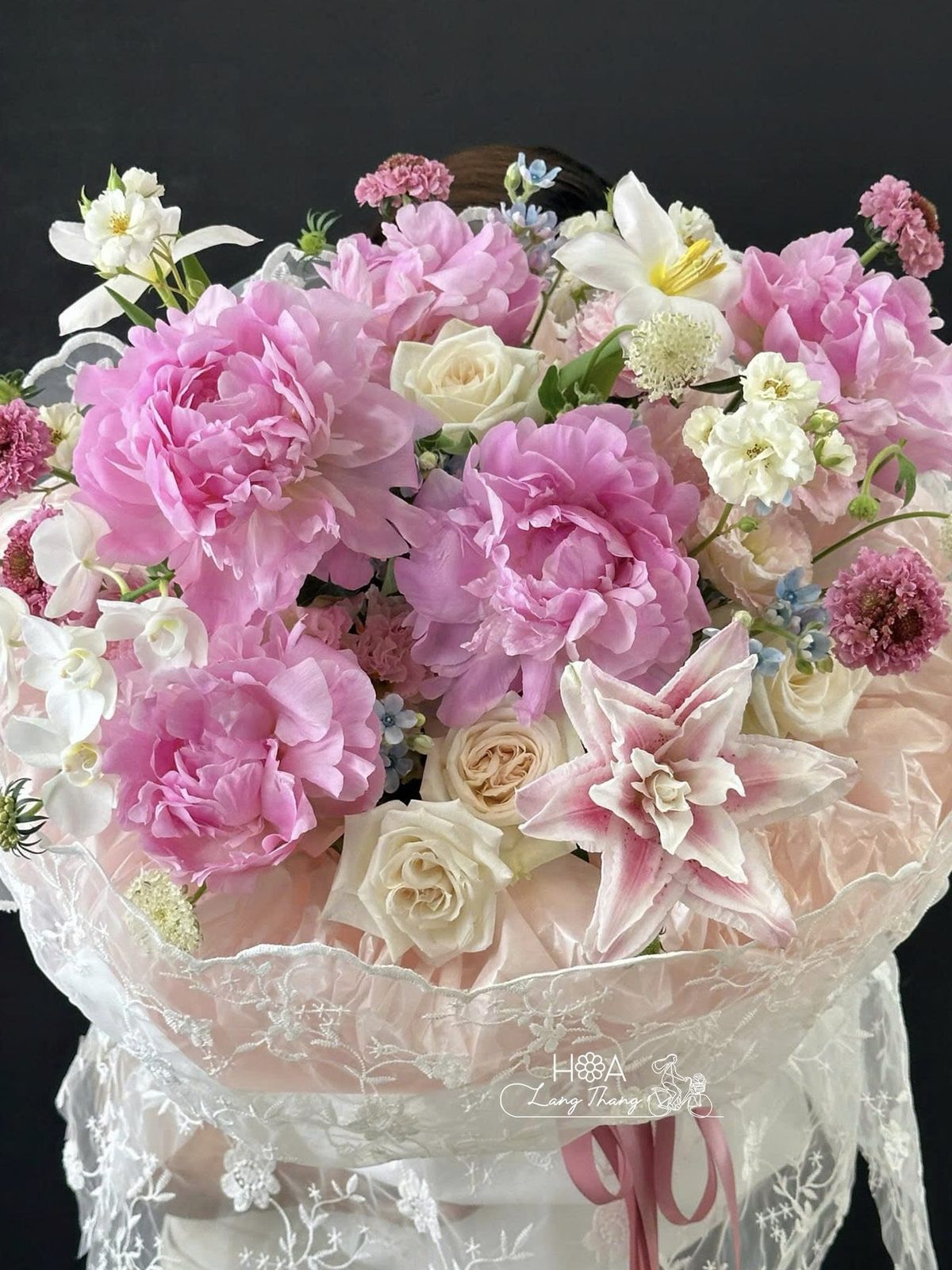
Real-World Hanoi Scenario: Fruit + Heat + Humidity
You've ordered a luxury bouquet of imported roses for an anniversary celebration and arranged same-day delivery in Hanoi. The bouquet arrives at 18:00 on a hot day; your kitchen has a fruit bowl with ripe bananas and apples. What happens?
Without proper storage: By the next morning, petals brown and drop. Ethylene from the fruit + 28°C ambient heat + no water refresh = accelerated senescence (flower aging). Most roses wilt within 36 hours instead of 7–10 days.
With correct storage: Move the vase to your bedroom air-conditioned corner, away from fruit. Remove the fruit bowl to the fridge or a sealed cupboard. Change water, trim stems, and remove lower leaves. Roses last 8–12 days, matching Hoa Lang Thang's standard guarantee for imported blooms.
Tourists and expats often don't know this; sending flowers from abroad to Vietnam means your recipient may not have ideal storage. When you order online for delivery to a hotel or apartment in Hanoi, include a care note in English, Vietnamese, Japanese, or Korean (Hoa Lang Thang offers this at no extra charge). A simple message—"Keep away from fruit and direct sun"—prevents disappointment.
Extending Bloom Life: Beyond Storage
Proper storage solves only half the problem. Daily care extends the life of any arrangement:
- Trim stems every 2–3 days: Use a sharp knife, not scissors, at 45°. Remove 1 cm from the base.
- Change water completely: Every 2 days in Hanoi's heat; use cool water + the supplied floral food.
- Remove spent petals and leaves: Lower leaves sitting in water rot quickly and produce bacteria.
- Mist petals lightly: In dry, hot conditions (especially April–May), a light spray mimics humidity without waterlogging blooms.
- Avoid direct sunlight and heat sources: Keep vases away from air-conditioning vents and radiators (though vents are rare in Hanoi homes).
- Use a clean vase: Bacteria in old vases clog stems and shorten bloom life.
For Valentine's or wedding flowers you want to last a full week, consistency matters more than storage alone. Most customers ordering imported tulips or peonies for special occasions underestimate the daily time commitment—but it's worth it.
Ordering Flowers When Fruit Storage Is Impossible
Some homes are small, kitchens are central, and fruit is always present. In this case, request flowers with the longest natural lifespan:
- Roses and orchids: 10–14 days even in less-than-ideal conditions.
- Carnations: 14–21 days; highly ethylene-resistant.
- Hypericum berries and dried elements: Essentially immune; perfect for mixed arrangements.
Avoid tulips, hydrangeas, peonies, and lisianthus if you cannot separate flowers from fruit. When sending flowers to Hanoi from abroad, always note storage constraints in the order comments. Hoa Lang Thang staff can suggest robust alternatives and include detailed care advice tailored to small-space living.
For corporate flowers, office arrangements, or grand opening displays, specify low-maintenance, ethylene-resistant types. Businesses near restaurants or markets—common in Hanoi's Hoàn Kiếm district—often see faster wilting due to ambient ethylene and heat.
💐 Order on WhatsApp +84 969 293 894 | 🌹 See bouquets & prices | 🚚 Same-day delivery in Hanoi
Returning to the Core Care Guide
For a complete overview of flower care in Hanoi's climate, refer to our full flower care guide. It covers humidity, watering, heat management, and seasonal challenges. If you're receiving flowers for sympathy or funeral occasions, proper storage shows respect; the arrangement's longevity honors the sentiment behind it.
---
FAQ
Can I store cut flowers in the same fridge compartment as fruit?
No. Ethylene from ripening fruit (especially bananas and apples) will damage flowers within hours, even in a cold fridge. Store flowers on a separate shelf or in a different fridge if possible. Better: keep flowers in a cool room away from the kitchen.
How long does ethylene gas linger after fruit is removed?
Ethylene disperses gradually; if you move ripe fruit to another room or fridge, flowers may recover slightly, but any petal browning is permanent. Prevention is better—store flowers away from fruit from the moment they arrive. With Hoa Lang Thang's same-day delivery, place flowers in their final location before you unpack the box.
Do imported roses from Ecuador last longer than local flowers?
Yes. Ecuador roses are harvested at peak bloom, air-shipped in sealed containers, and treated with preservatives (biocides and floral food). They typically last 10–14 days with proper care, even in Hanoi heat. Local flowers are fresher but often lack preservation treatment and wilt faster—especially if exposed to ethylene.
What's the best way to tell if fruit is producing ethylene?
Look for ripeness cues: dark spots on banana peels, soft give when you gently press apples, and rich aroma. Unripe fruit produces minimal ethylene; move it to the fridge to slow ripening. If fruit smells strong or looks overripe, it's actively releasing ethylene—remove it from the room where flowers are stored.
Should I ask my florist about ethylene when I order?
Absolutely. When ordering birthday flowers, anniversary arrangements, or luxury bouquets, mention if you have fruit at home or a small kitchen. Florists can recommend ethylene-resistant flowers (roses, carnations, orchids) and include storage advice. Hoa Lang Thang includes care cards in every delivery; mention constraints and we'll adapt.
Can I use floral preservative to counteract ethylene damage?
Floral food slows bacterial growth and provides nutrients, but it doesn't neutralize ethylene gas. Preservative extends life if flowers are stored away from ethylene sources. With fruit nearby, even the best preservative can't overcome the damage—distance is the primary defense.
Same-day delivery in Hanoi (order before 19:00). We send a photo of your actual bouquet before it goes out.
Order on WhatsApp +84 969 293 894Frequently asked questions
Can I store cut flowers in the same fridge compartment as fruit?
No. Ethylene from ripening fruit (especially bananas and apples) will damage flowers within hours, even in a cold fridge. Store flowers on a separate shelf or in a different fridge if possible. Better: keep flowers in a cool room away from the kitchen.
How long does ethylene gas linger after fruit is removed?
Ethylene disperses gradually; if you move ripe fruit to another room or fridge, flowers may recover slightly, but any petal browning is permanent. Prevention is better—store flowers away from fruit from the moment they arrive. With Hoa Lang Thang's same-day delivery, place flowers in their final location before you unpack the box.
Do imported roses from Ecuador last longer than local flowers?
Yes. Ecuador roses are harvested at peak bloom, air-shipped in sealed containers, and treated with preservatives (biocides and floral food). They typically last 10–14 days with proper care, even in Hanoi heat. Local flowers are fresher but often lack preservation treatment and wilt faster—especially if exposed to ethylene.
What's the best way to tell if fruit is producing ethylene?
Look for ripeness cues: dark spots on banana peels, soft give when you gently press apples, and rich aroma. Unripe fruit produces minimal ethylene; move it to the fridge to slow ripening. If fruit smells strong or looks overripe, it's actively releasing ethylene—remove it from the room where flowers are stored.
Should I ask my florist about ethylene when I order?
Absolutely. When ordering [birthday flowers](/en/birthday-flowers-hanoi), [anniversary arrangements](/en/anniversary-flowers-hanoi), or [luxury bouquets](/en/luxury-flower-shop-hanoi), mention if you have fruit at home or a small kitchen. Florists can recommend ethylene-resistant flowers (roses, carnations, orchids) and include storage advice. Hoa Lang Thang includes care cards in every delivery; mention constraints and we'll adapt.
Can I use floral preservative to counteract ethylene damage?
Floral food slows bacterial growth and provides nutrients, but it doesn't neutralize ethylene gas. Preservative extends life *if flowers are stored away from ethylene sources*. With fruit nearby, even the best preservative can't overcome the damage—distance is the primary defense.